Project
Bela: Embedded Computing for Audio and Music
Bela is an open-source embedded computing platform for high-performance processing of audio and sensor signals. Based on the BeagleBoard family of single-board computers with a real-time Linux kernel, Bela offers ultra low latency, reliable real-time guarantees and a rich suite of I/O capabilities that combine the best aspects of microcontrollers and Linux computers. Bela emerged from EPSRC-funded research, spinning out into a company in 2016 following a successful Kickstarter campaign. Since then, Bela has built a large worldwide community of makers, engineers and artists, and new releases have continued to expand its technical performance and accessibility to novice creators.
Origins
Musical instrument design places stringent demands on digital tools. Amongst the things performers expect from their instruments are very low latency (or delay) between actions and sound and high bandwidth (or richness) of coupling between physical and digital domains. For cost and reliability reasons, it is also convenient for a digital instrument to be self-contained, without depending on a laptop.
Read more about the expectations of players on their instruments and tools:
— 'Action-Sound Latency: Are Our Tools Fast Enough?'
— 'Action-Sound Latency and the Perceived Quality of Digital Musical Instruments...'
— 'Democratising DMIs: the relationship of expertise and control intimacy'
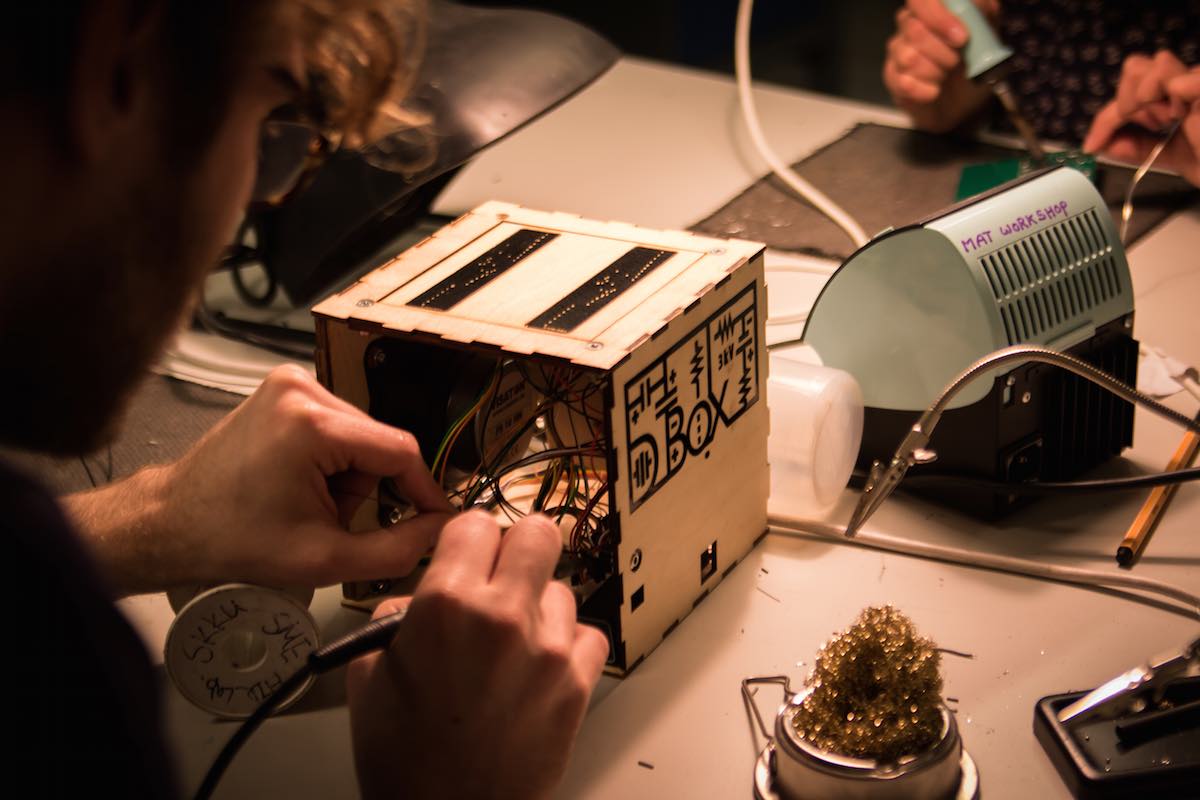
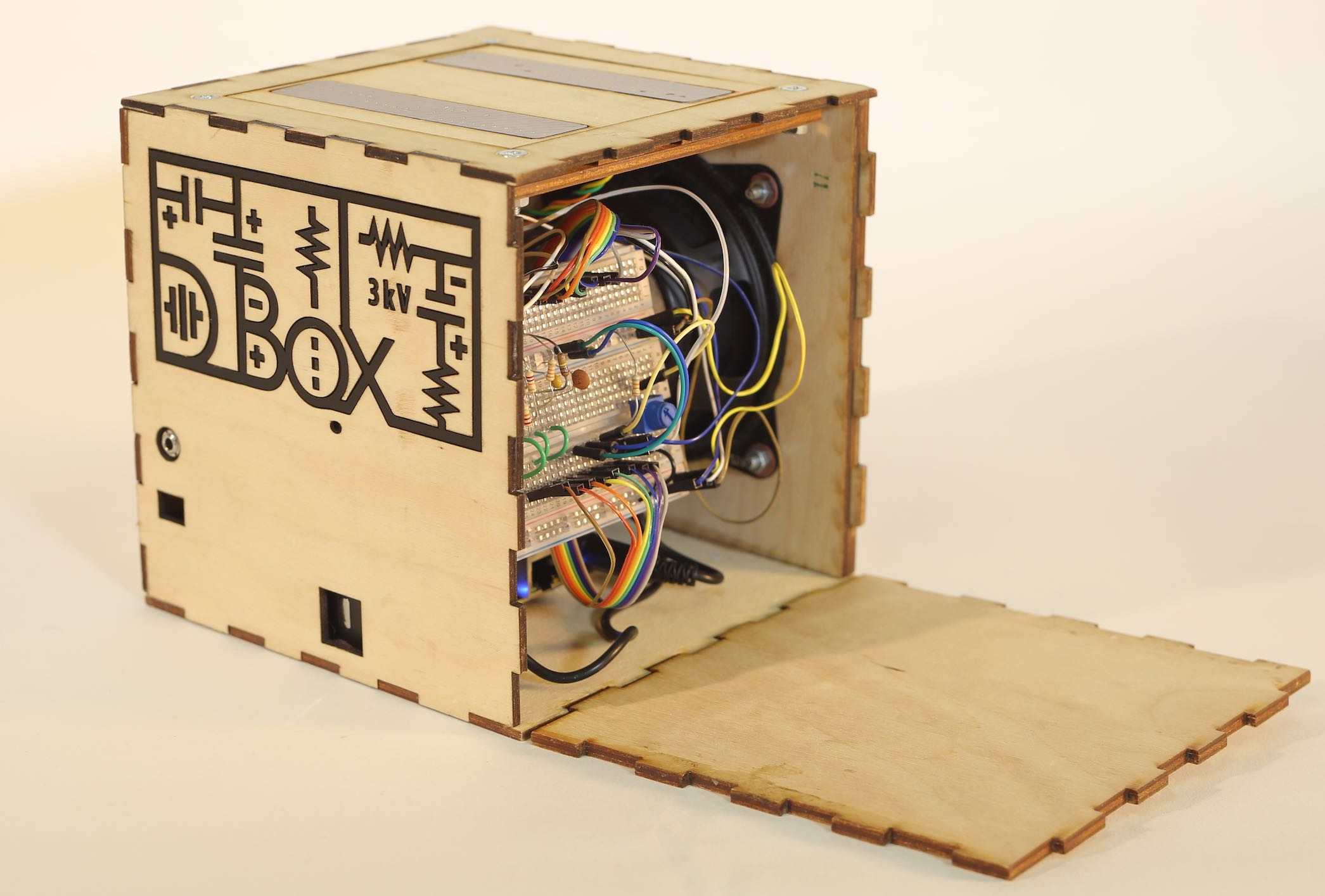
Starting in 2014, on the Hackable Instruments project, we began developing an embedded computing environment for real-time audio and sensors based on the BeagleBone Black single-board computer. At the time, there was no other platform that could meet our requirements for ultra-low latency and time-aligned audio and sensor data. We used this platform to create the D-Box, an instrument designed to be hacked by the performer. Soon we discovered that the same platform was useful for other research in our lab and by collaborators, and we began to expand its capabilities. Bela was born.
Read about the D-Box project:
— 'Dimensionality and Appropriation in Digital Musical Instrument Design'
— 'Hackable Instruments: Supporting Appropriation and Modification in Digital Musical Interaction'
Hardware
Bela is an embedded computing platform designed from the ground up with real-time interaction in mind. From its initial release on Kickstarter in 2016, Bela has expanded into a family of embedded hardware devices. Specifications vary but each device features a similar minimum hardware spec:
— Audio input and output (between 2 and 16 channels, depending on the board)
— 16-bit analog inputs (and analog outputs on some boards)
— Digital (GPIO) inputs and outputs
— Access to USB, I2C, SD card storage and other peripherals
— Real-time (Xenomai/EVL) Linux kernel for hard real-time performance
The latest generation of Bela, released in 2025, is Bela Gem, which uses the PocketBeagle 2 single-board computer with a quad-core 1.4GHz ARM Cortex-A53 processor. Bela Gem comes in two versions:
— Bela Gem Stereo, with 2-channel audio I/O
— Bela Gem Multi, with 10-channel audio I/O including DC coupling (useful for working with CVs in modular synthesis)
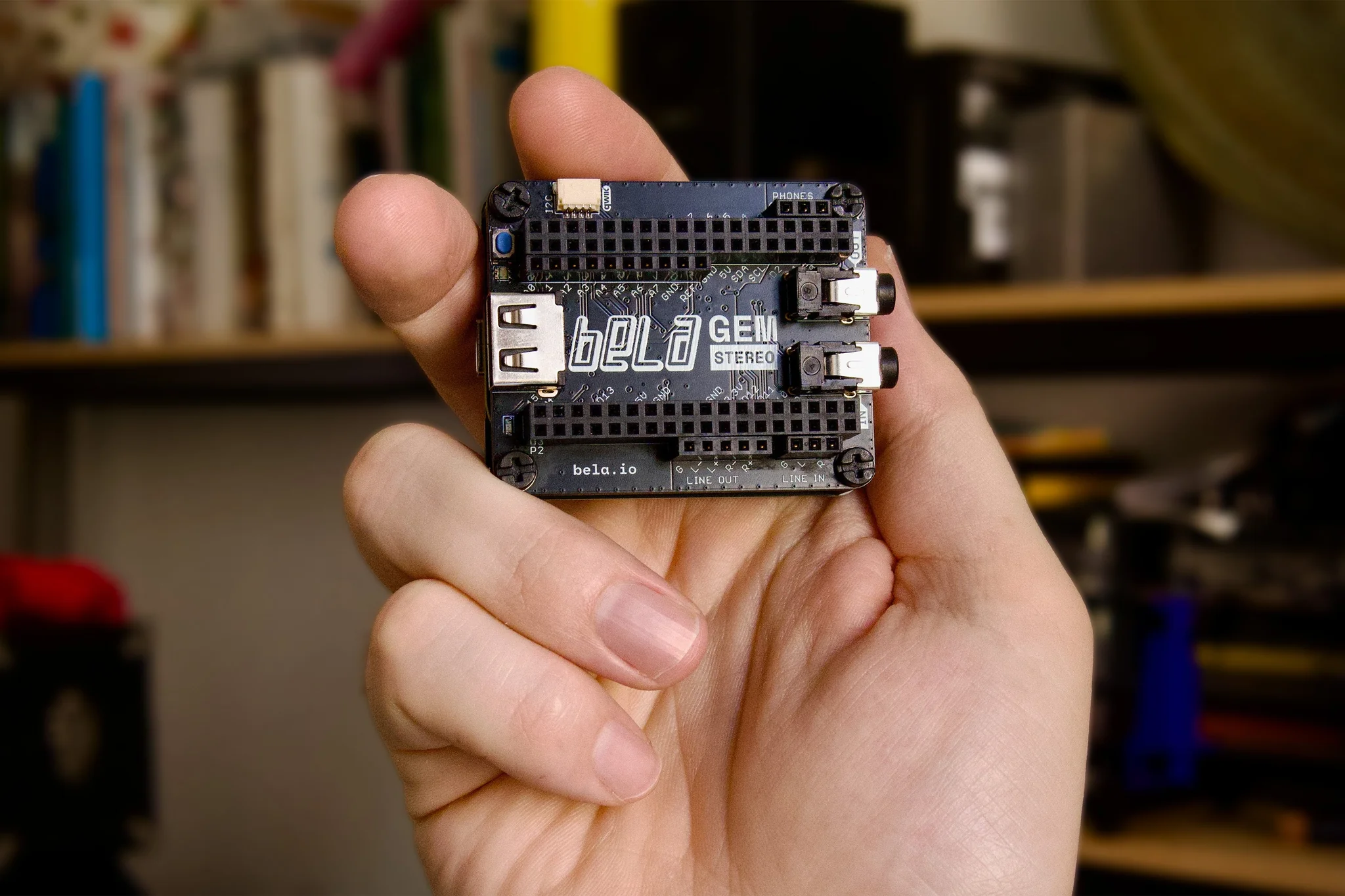
Legacy versions of Bela include the Bela One (original board), Bela Mini (now discontinued) and CTAG multichannel audio boards.
Core Software
All Bela boards run a real-time Linux kernel (Xenomai or EVL) which is the source of Bela’s signature ultra-low-latency performance, with less than 1ms round-trip audio latency. We created a custom audio driver that bypasses the standard Linux kernel to communicate directly with the hardware, allowing audio processing to always be the highest-priority task on the board. The same driver allows audio and sensors to be aligned on a frame-by-frame level, reducing jitter (timing uncertainty) between sensors and audio.
Read about Bela’s hardware and software architecture in:
'An environment for submillisecond-latency audio and sensor processing on BeagleBone Black'
Friendly Development Tools
From its early days, we have sought to make Bela accessible to makers and artists with a wide range of technical experience. Bela can be programmed in C++ or in popular computer music languages such as Pd, SuperCollider and Csound. A rich library of example materials and an online knowledge base helps new users get started.
Bela features a built-in browser-based IDE for writing and compiling code. The IDE is served from the board to the host computer without requiring an internet connection. On Bela Gem, the IDE also features real-time status monitoring of all the I/O ports, simplifying debugging of interactive systems.
By hosting all of its development tools on the board, Bela also promotes longevity in digital music technology: the board will continue to function identically for years, even as laptops and their operating systems come and go.
Read about longevity in digital musical instruments:
'Design for Longevity: Ongoing Use of Instruments from NIME 2010-14'
Community Building
Digital tools are about more than technical specifications. The identity of Bela is intertwined with the makers, engineers and artists who have used it over more than a decade. Even before its release on Kickstarter in 2016, we were working with a network of collaborators to share knowledge and gather feedback.
Since 2021, with the support of a Research Chair from the Royal Academy of Engineering, we have expanded both the technical design of Bela and its community. Alongside the release of Bela Gem, we have explored new ways to use Bela for scientific computing and to deploy real-time AI models on the platform, leading workshops and engaging in artistic collaborations along the way.
Read more about early community building on Bela:
'Building a Maker Community Aroundan Open Hardware Platform'
Read more about AI workflows on Bela:
— 'pybela: a Python library to interface scientific and physical computing'
— 'When AI doesn’t sound like AI: Negotiating aesthetic expectations intechnology-mediated musical practice'