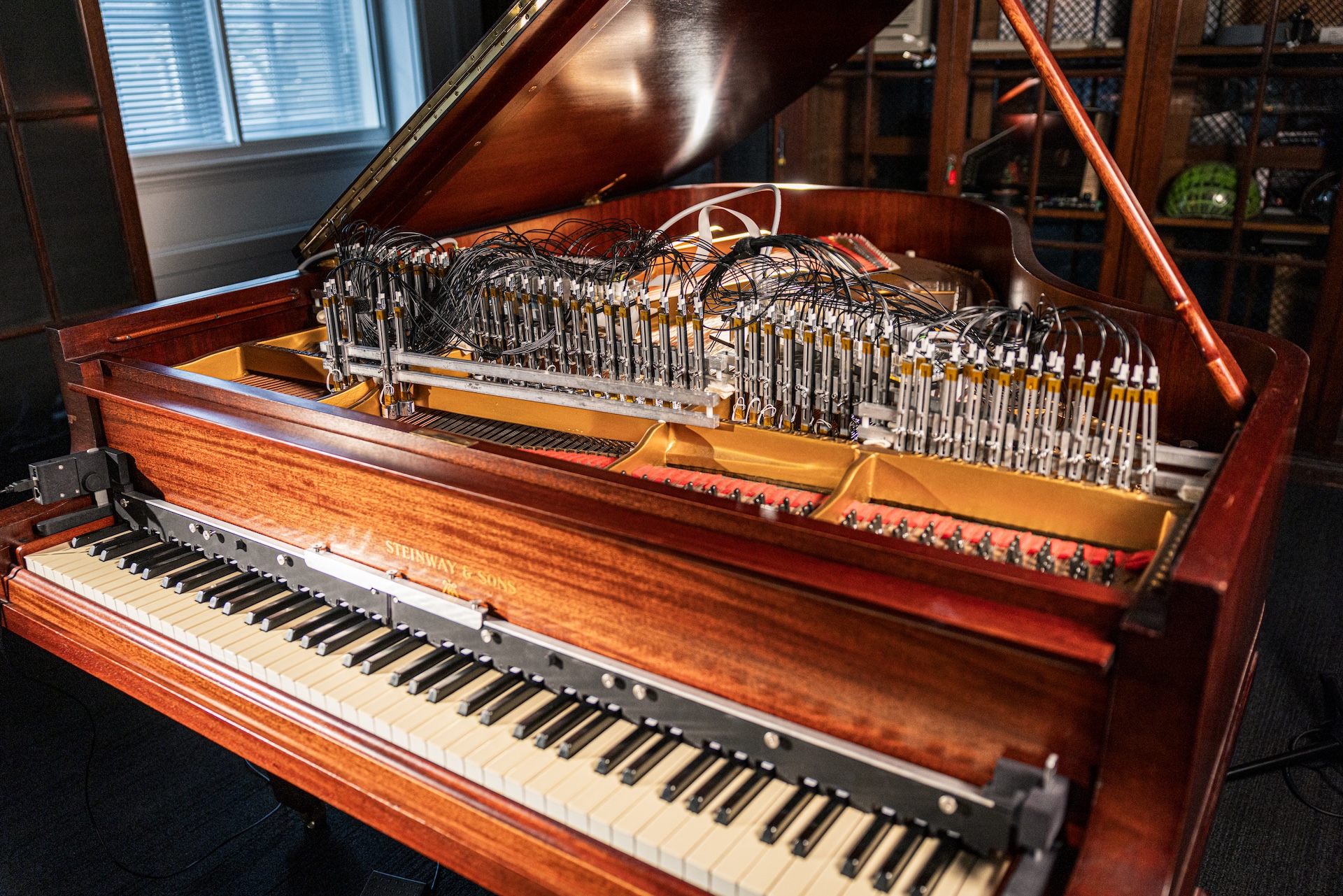
Andrew McPherson
Chair (Professor) in Design Engineering and Music
2011 — present
andrew.mcpherson@imperial.ac.uk
Links
Interests
Andrew McPherson is a computing researcher, composer, electronic engineer, and musical instrument designer. He is Professor of Design Engineering and Music in the Dyson School of Design Engineering, Imperial College London, where he leads the Augmented Instruments Laboratory. Andrew holds undergraduate degrees in both engineering and music from MIT, an MEng in electrical engineering from MIT, and a PhD in music composition from the University of Pennsylvania. Prior to joining Imperial in 2023, he has been a professor in the Centre for Digital Music at Queen Mary University of London.
Andrew’s musical instruments are widely used by performers and composers across many genres, and his research has led to three successful crowdfunding campaigns and the spinout of Augmented Instruments Ltd, which develops Bela, an open-source audio maker platform. He currently holds two fellowships: a Senior Research Fellowship from the Royal Academy of Engineering on embedded hardware for audio and music, and an ERC/UKRI Consolidator Grant investigating the cultural implications of engineering decisions. He is deeply committed to teaching: Bela is used in the classroom by dozens of universities, and his online course on audio programming has been followed by learners around the globe.
Research Interests
As an engineer and musician, I am fascinated by the ways that technology shapes musical culture and vice versa. I founded the Augmented Instruments Laboratory in 2011 with a focus on making and studying new musical instruments, often blending traditional forms and practices with the latest digital technologies.
The term “musical instrument” means different things to different people. From an engineering perspective, an instrument can be considered a transducer between action and sound. Making an instrument suitable for the top levels of performance places stringent technical demands on the designer, including high accuracy and precision, low latency, audio and tactile cues, and high reliability. One strand of my research explores tools and techniques to meet these standards, including embedded computing systems, new sensor and actuator technologies, and signal processing and neural network techniques for audio analysis and synthesis.
To the performer, an instrument can come to feel like an extension of the body. After years of practice, the instrument can effectively withdraw from conscious attention, letting the performer think “through” the instrument to the music they want to play. Instruments can also be a powerful source of creative inspiration. Every instrument has its own idiom – certain patterns or techniques that are the most natural to imagine and play – and some instruments and interactive music systems can promote exploration, discovery and surprise. A second strand of my research examines the performer’s perspective in encountering new instruments, including sensorimotor skills, auditory imagery, phenomenological experience and technology-aided learning.
Musical instruments are never inert objects; they are always embedded in culture. They are laden with values, shaped by the tools and materials that make them, the intentions and priorities of the designer, and the history of their use by different musicians. A third strand of my research explores critical and ethnographic perspectives on instrument design, drawing on science and technology studies, more-than-human design, HCI and feminist philosophy to elucidate the values embedded in instruments, critically examine well-established research narratives, and explore more inclusive futures for music technology.
I am a classically-trained composer and viola player, and some of the lab’s instrument designs reflect this classical perspective: the magnetic resonator piano uses electromagnets to induce vibrations in the strings of a grand piano, producing infinite sustain and continuous shaping of each note; TouchKeys places touch sensors on the surface of an electronic keyboard, enabling new techniques while retaining the familiar feel of the keyboard; the svampolin is a hybrid acoustic-electronic violin blending traditional and new techniques.
I also work closely with charities on creating accessible instruments for musicians with disabilities. I am a trustee of the OHMI Trust which creates and curates adapted instruments that can be played with a single hand, and I have worked with other charities including Drake Music and Heart n Soul. My work in this area is always collaborative and seeks to avoid a quick-fix mentality in favour of extended dialogues and explorations with individual musicians and communities.
Finally, I prioritise getting instruments out of the research lab and into the studio and concert hall. The magnetic resonator piano has been performed hundreds of times across continents and genres, with several dozen compositions and recordings and three major film/TV scores. I have spun out two companies from my research: TouchKeys, which has sold keyboards and sensor kits to musicians around the world, and Bela, which produces high-performance, open-source embedded hardware tools and delivers industrial consultancy and embedded audio developer services.
Academic Qualifications
— S.B. Music, MIT (2004)
— S.B. Electrical Engineering, MIT (2005)
— M.Eng. Electrical Engineering, MIT (2005)
— Ph.D. Music Composition, University of Pennsylvania (2009)
— Postdoc (NSF Computing Innovation Fellowship), Drexel University (2009-2011)
Projects
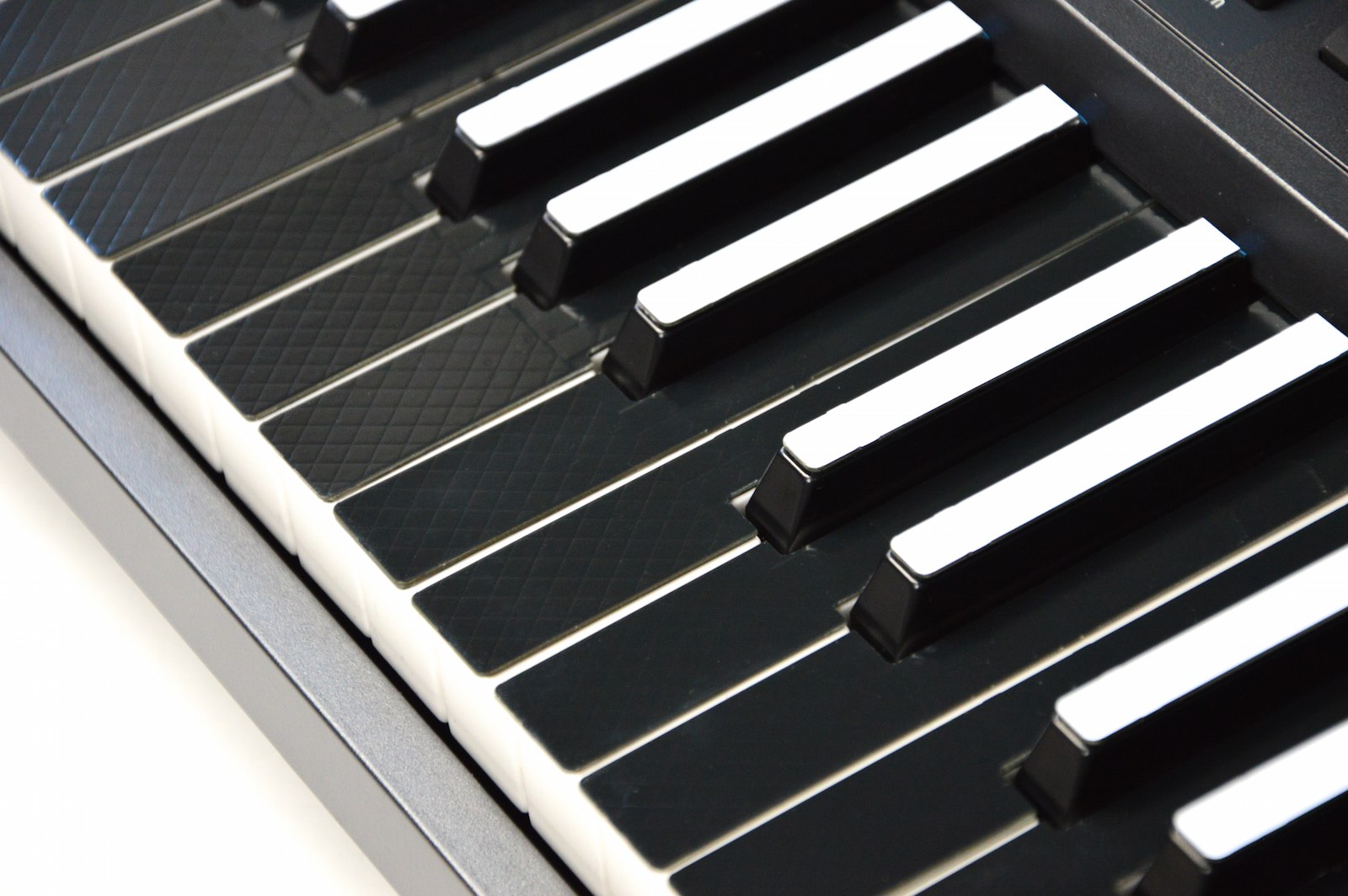
TouchKeys
Augmenting the keyboard with capacitive touch sensing
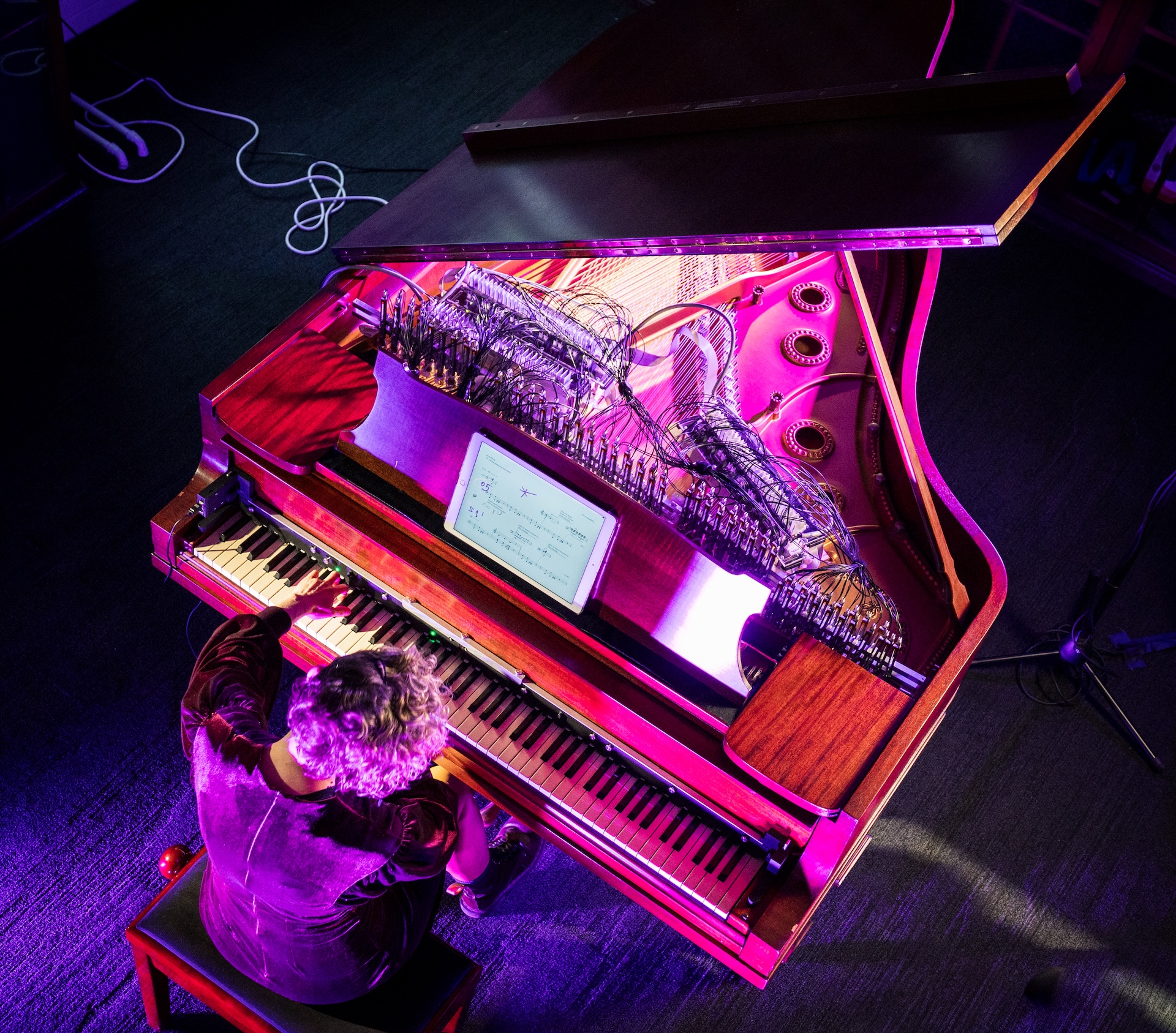
Magnetic Resonator Piano
Electromagnetically augmented acoustic piano
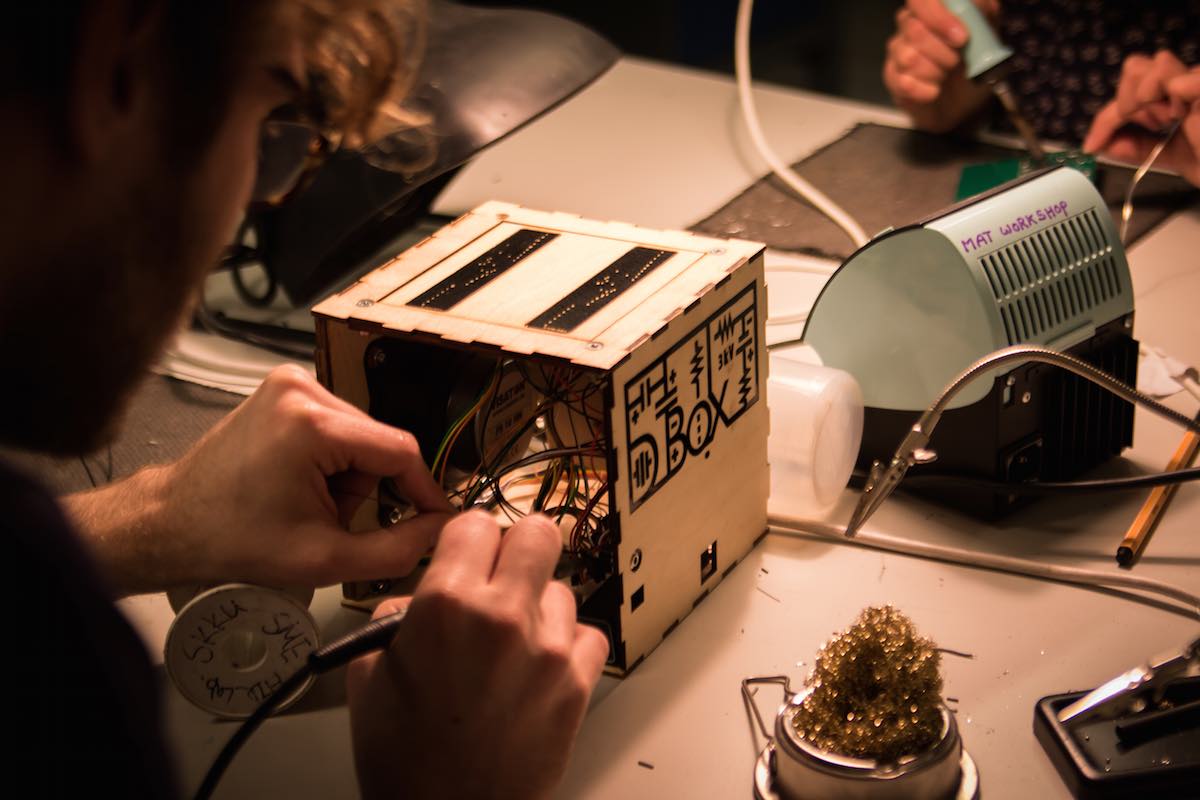
Hackable Instruments
Designing instruments for creative appropriation and misuse
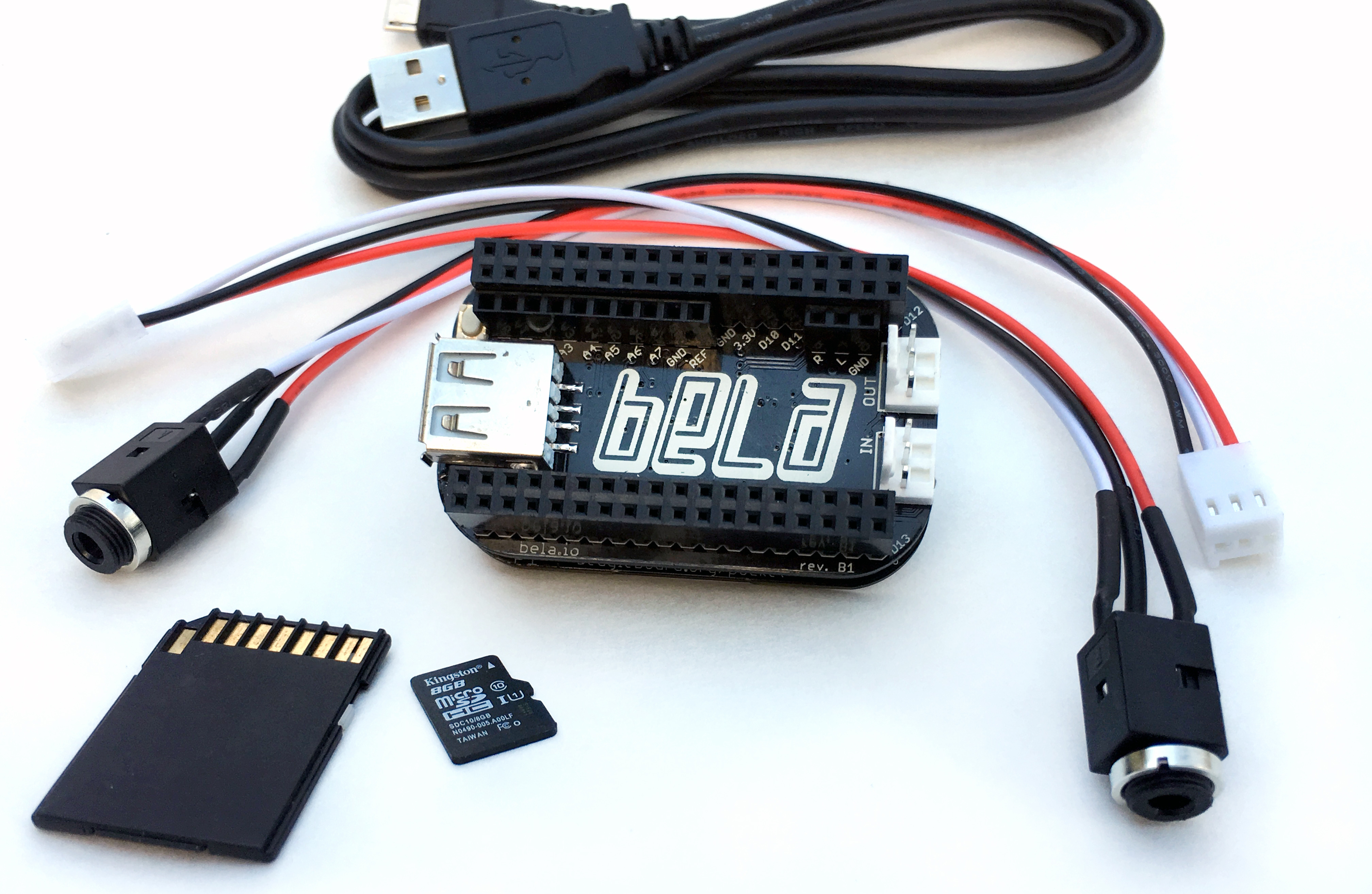
Bela
An open-source embedded computing platform for high quality, ultra-low latency interactive audio
.jpg)
Impedance Synthesis
Hybrid digital-analog audio effects
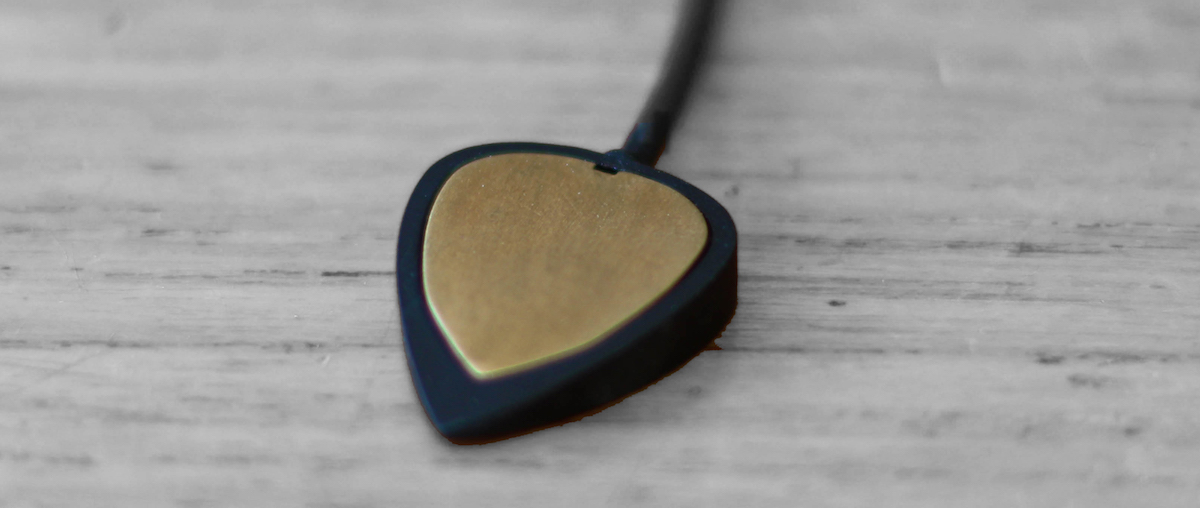
Magpick
Augmented guitar plectrum
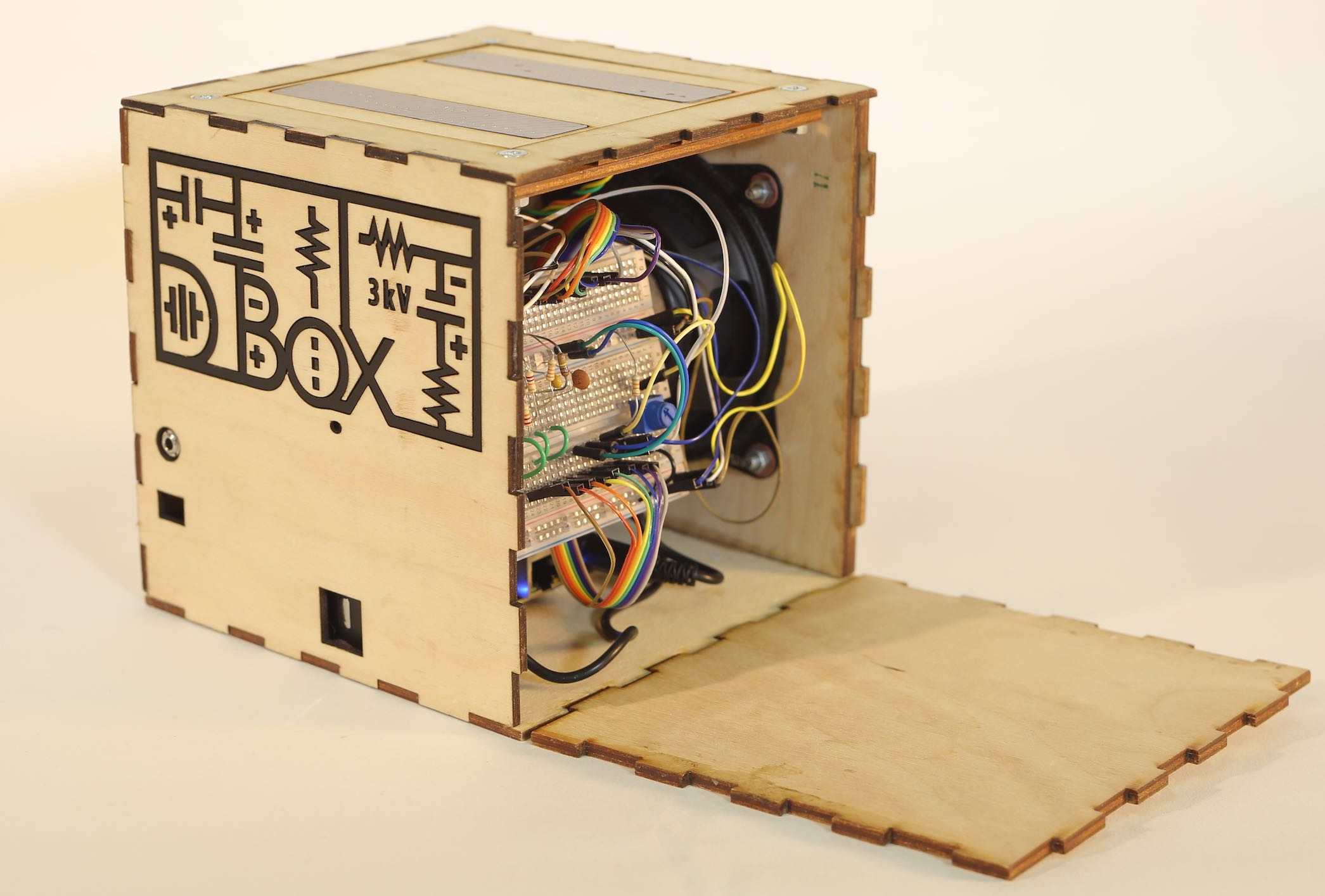
The D-Box
A hackable digital instrument
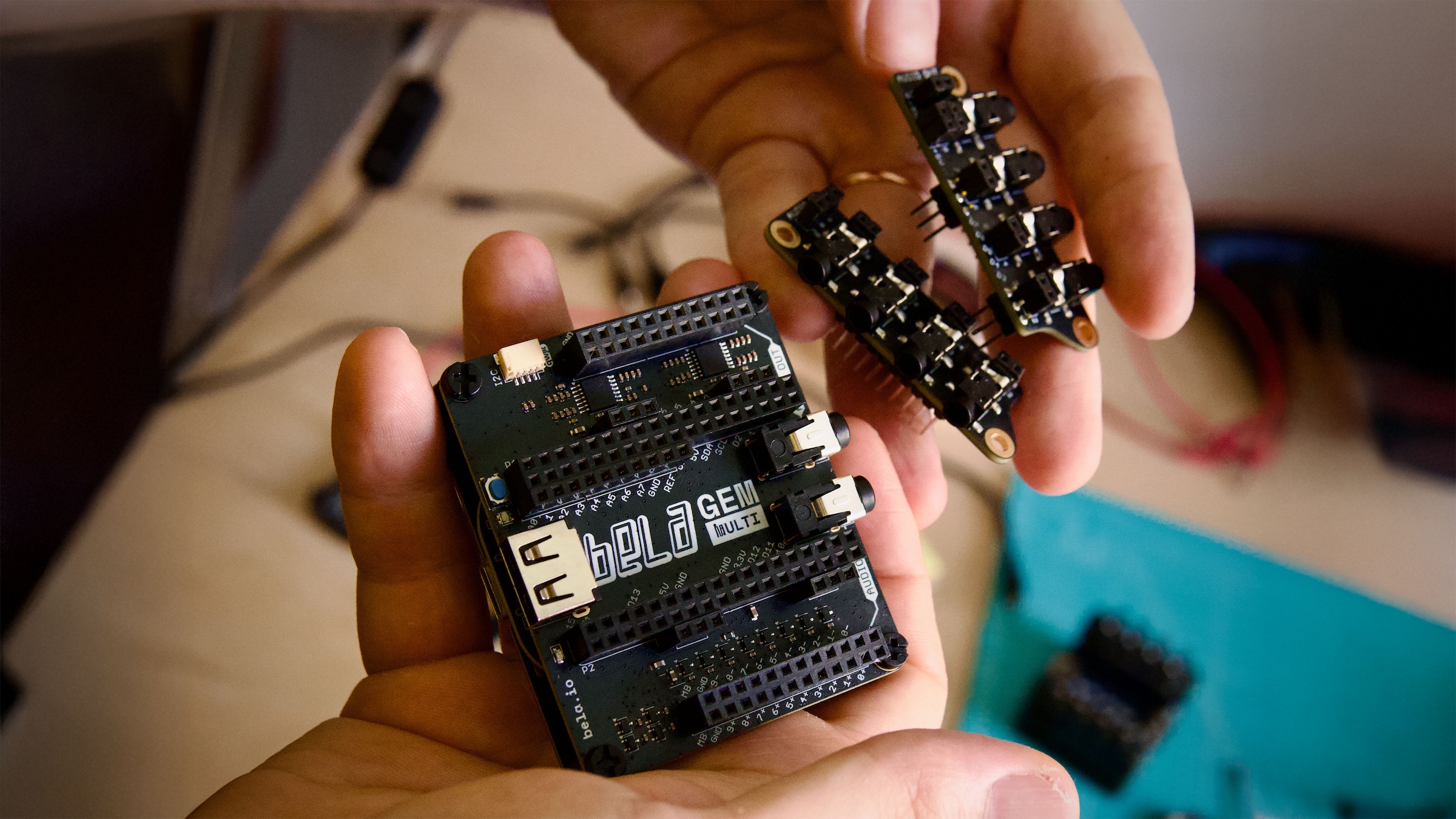
Bela: Embedded Computing for Audio and Music
2014
Designing high-performance tools for instrument makers
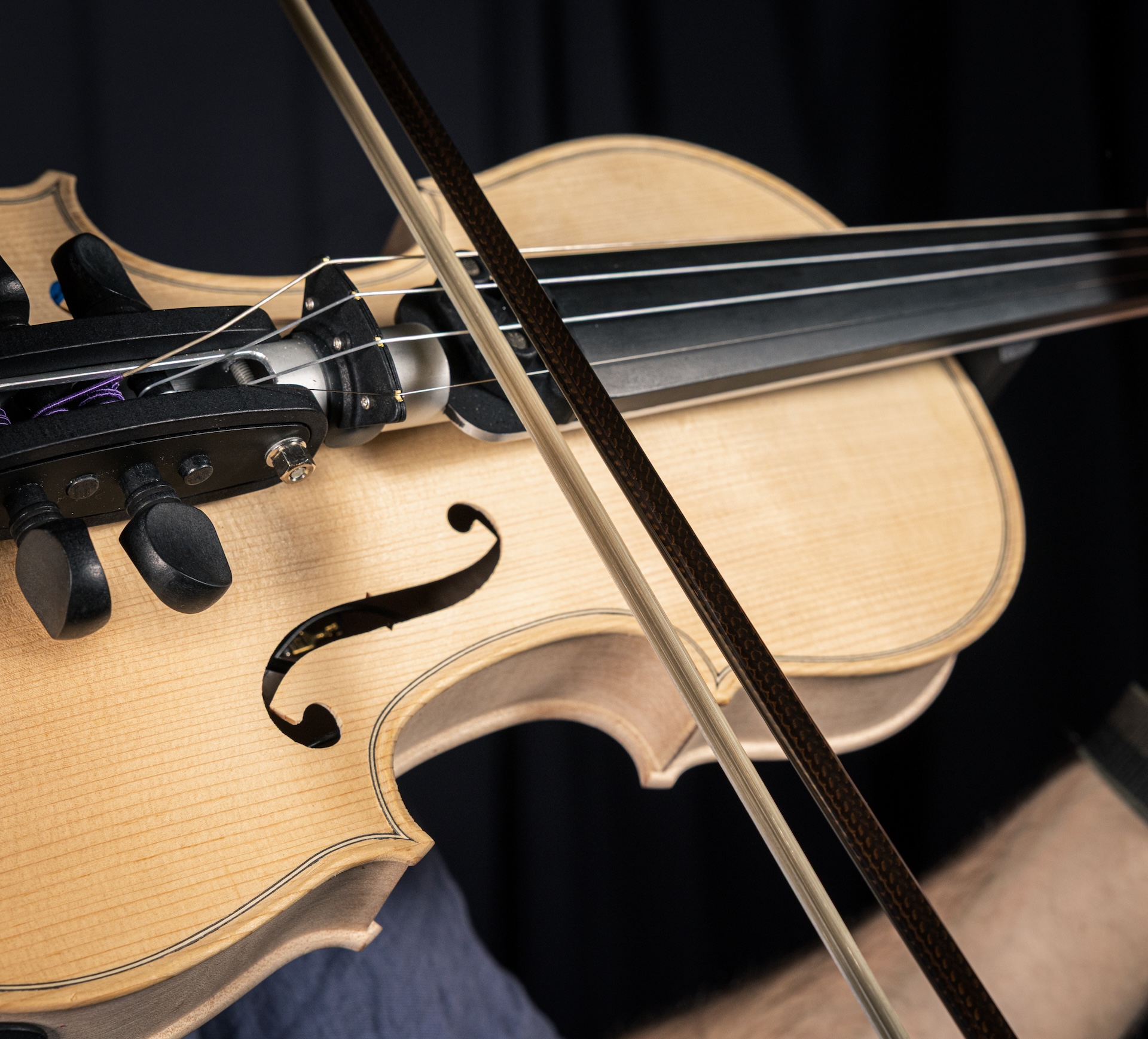
Augmented Violin
Projects for instrument learning and new performance possibilities
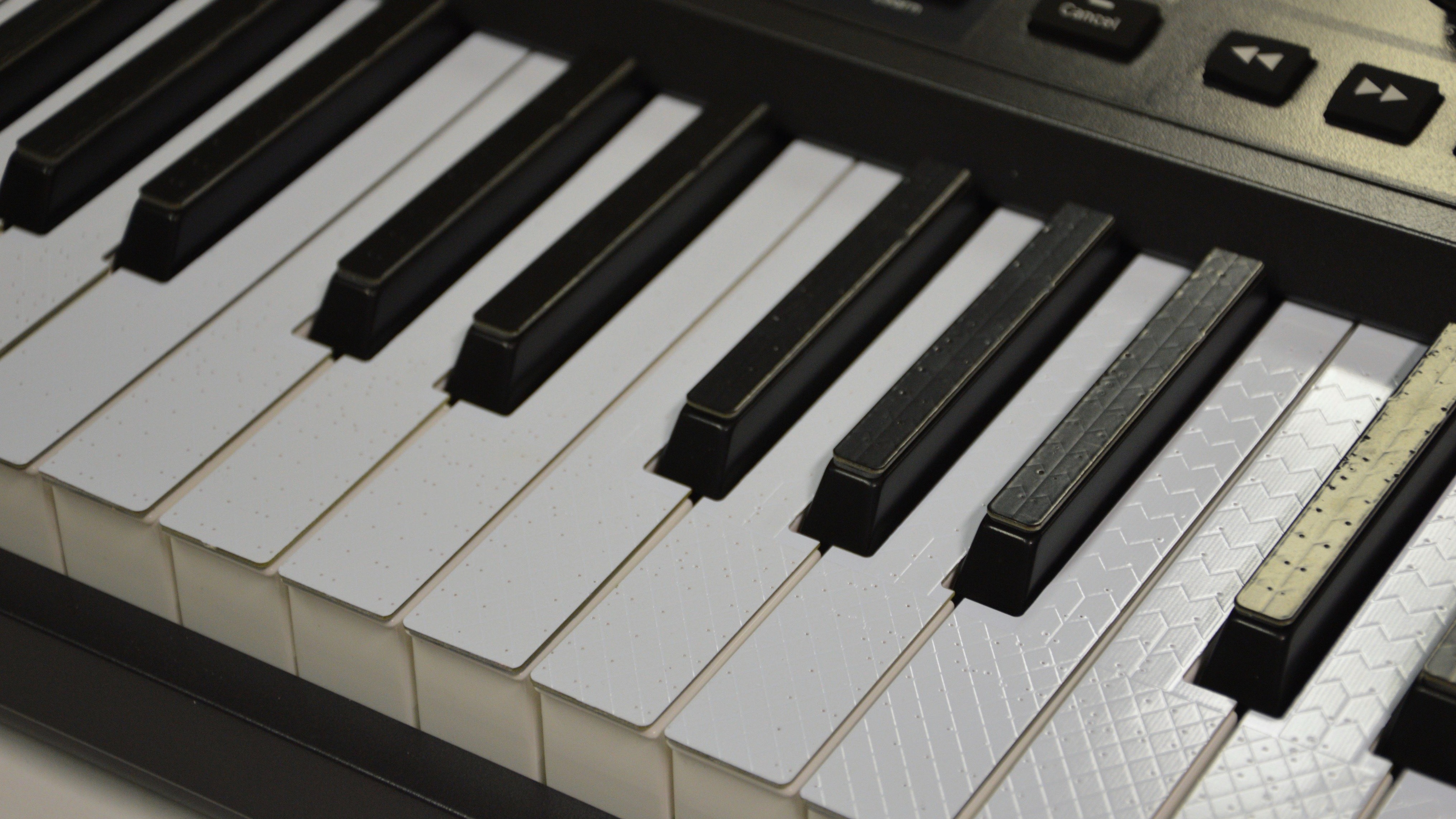
TouchKeys
Multi-touch sensing on the piano keyboard